Why Climate Stories Need Place
How an abandoned shed taught me more about climate communication than another graph ever could.

This post is adapted from my contribution for a panel discussion I took part in during Climate Action Week, Climate Conversations at Mary Immaculate College.
I’m standing on Mew Island trying to look competent while actively losing a fight with a bramble bush.
The North Irish Sea crashes behind me, where seals are scattered on rocks around the Copeland Islands. Seagulls circle watchfully overhead. Somewhere nearby the project team are operating drones and setting up a spotting scope.
I have wandered off alone towards what appears to be an abandoned shed because I was drawn to it. My trousers are ripped. My laces have been untied by the thorns. Fieldwork, apparently, is a contact sport.
I simply cannot stop looking at this abandoned little shed.
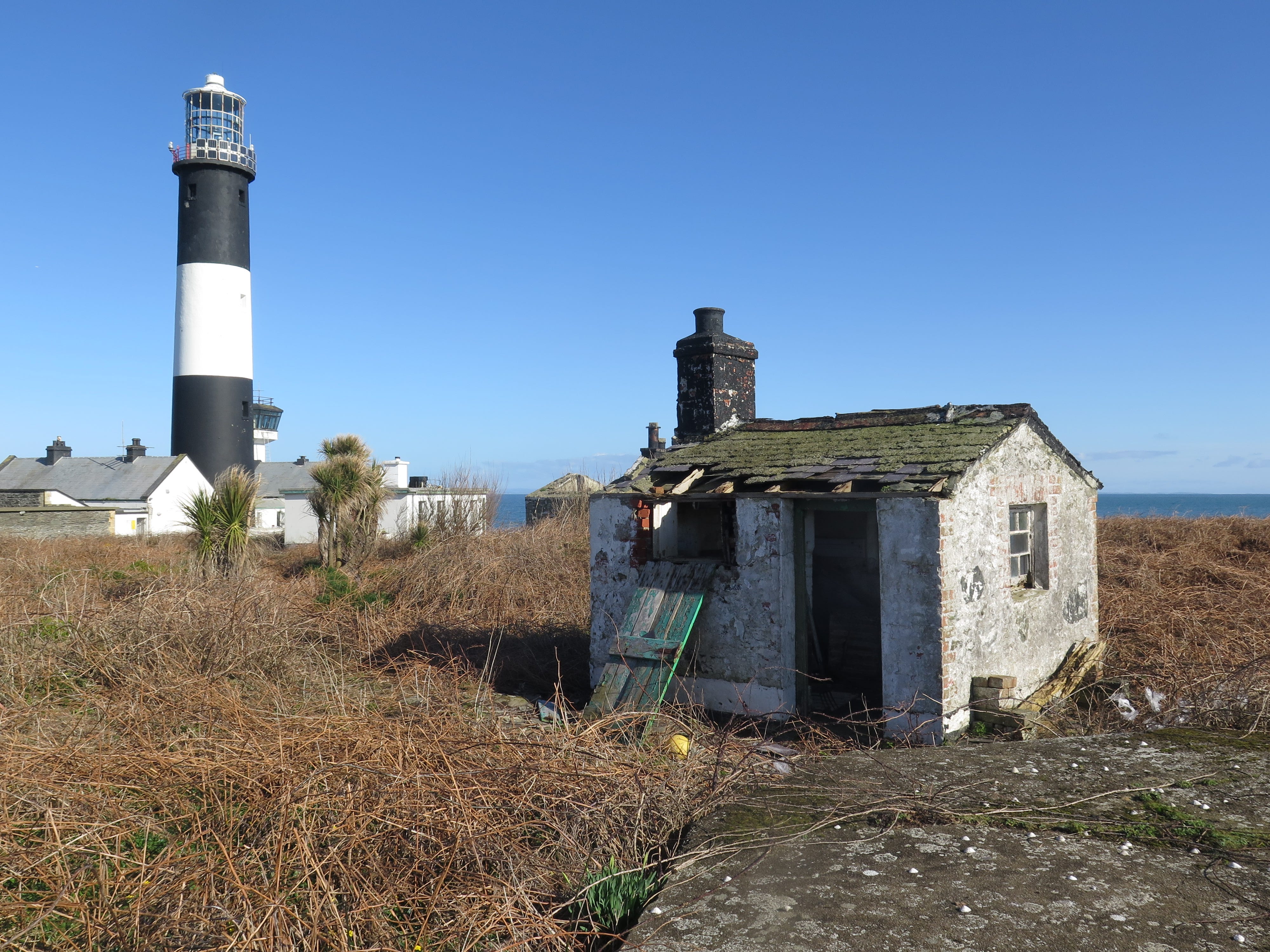
Daffodils planted at least as far back as the 1980s still flower stubbornly through the undergrowth. Broken slates lie scattered beside collapsed gutters. Weeds push through the structure with the confidence of nature reclaiming a deposit. The roof has partially caved in and the original purpose of the building is now almost unreadable.
Standing there I found myself thinking something deeply inconvenient for anyone who has ever spent hours designing climate infographics.
What if this shed explains climate change better than half the graphs we produce?
We are all familiar with the standard visual language of climate communication by now. Blue lines become red lines. Temperatures rise ominously across animated maps. Journalists adopt increasingly grave tones while scientists present statistics so catastrophic they begin to lose emotional meaning entirely. Eventually somebody says the phrase “code red for humanity” and everyone quietly refreshes Instagram.
The strange thing is that climate change can sometimes feel both overwhelmingly urgent and oddly abstract at the same time.
I do not come from a traditional scientific background. When I went back to college to retrain, one of the most useful pieces of advice I received during that transition was not to abandon what journalism had taught me.
Journalism teaches you one thing above all else: people care about place.
Before academia I worked in local journalism across Tipperary and Limerick in print, digital and radio. Newsrooms are fascinating ecosystems because they combine civic responsibility with the deeply humbling reality that your carefully researched article about structural inequality may be completely outperformed online by “You won’t believe why this car was pulled over by Gardai.”
Metrics mattered constantly. Editors tracked readership obsessively. At the end of every week an email would circulate ranking the top performing stories. There is truly no spiritual experience quite like discovering the public engaged more enthusiastically with airfryer cleaning hacks than with local democracy.
But local journalism also understands something important about human attention. People engage with global issues through local experience. One style tip I was repeatedly given was to always mention the county in the headline. This created unique challenges in Tipperary where every story began to sound like an unfolding geopolitical crisis specifically affecting Tipp Town. Still, the principle worked.
People want stories rooted in recognisable places. They want scale translated into lived reality.
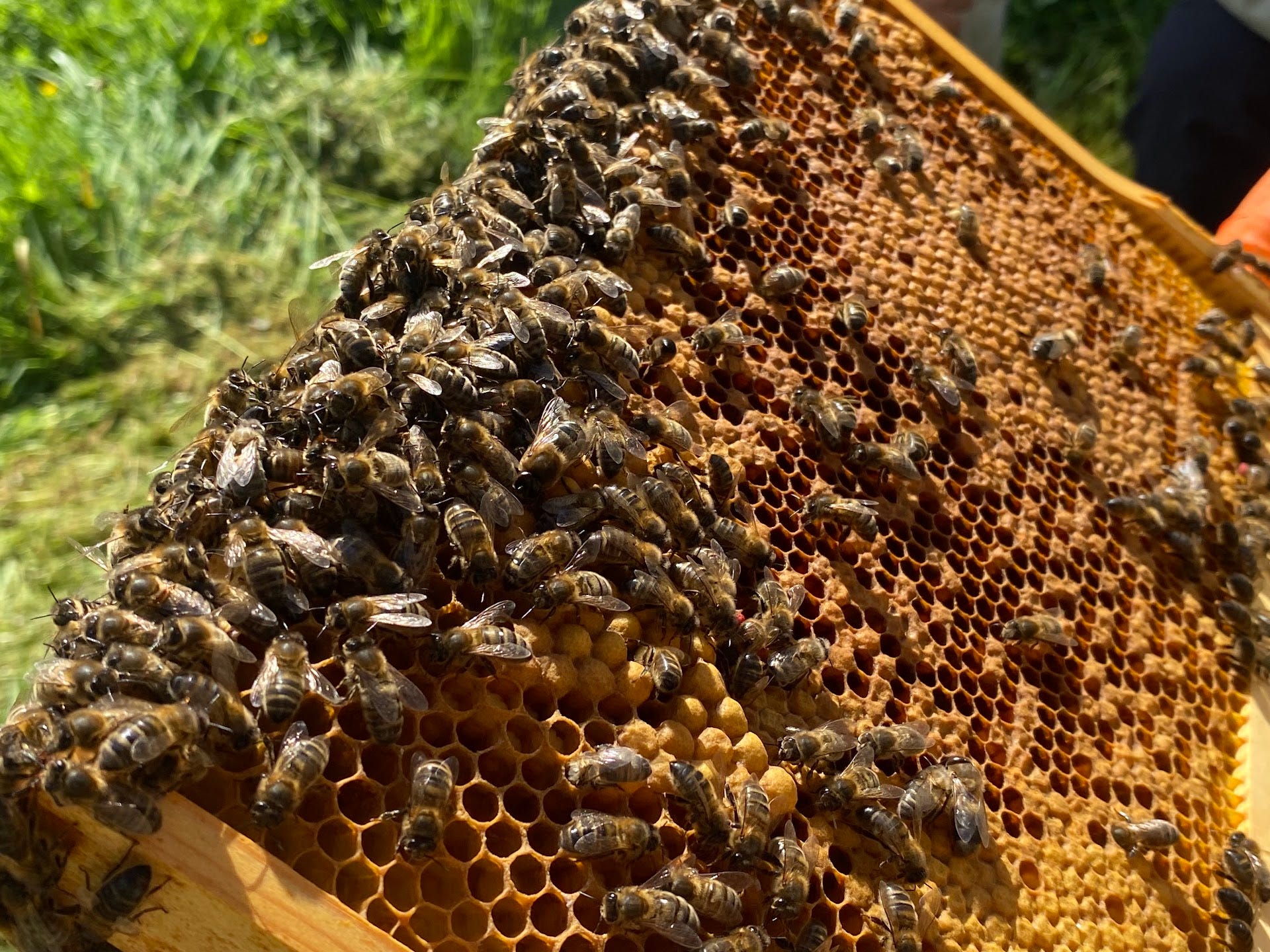
Climate change becomes meaningful when it affects flooding in Clonmel. Trade policy matters when it impacts hauliers in Limerick. Biodiversity loss feels tangible when a beekeeper in rural Ireland explains what the Asian hornet could mean for the native black honeybee while actual bees bump into your microphone like tiny union representatives.
Later, when I worked on a climate-focused local radio series, the training emphasised voice first. Not statistics first. Not policy first. Voice first.
So I found myself standing in allotments in Thomondgate discussing access to green space. I interviewed local residents before academics. I started with grounded experience before widening outward into systems, policy and science.
Eventually I realised I had accidentally developed a formula:
Place. Action. Broader context.
You begin with somewhere specific. Somewhere textured and lived-in. Then you connect it to wider environmental systems and larger structural questions. It worked journalistically because people stayed engaged. It worked academically because it preserved complexity rather than flattening environmentalism into a kind of aesthetic lifestyle performance involving reusable coffee cups and oat milk while the biosphere quietly unravels around us.
Which brings me back to the shed on Mew Island.
The more time I spent there the more the structure seemed to contain multiple timelines at once. The landscape itself told stories. Bracken and bramble, hallmarks of previously disturbed farmland, spread aggressively across the island. Tree seedlings struggled for light in the exposed conditions. Nearby a palm tree grows with complete disregard for ecological expectations like a tourist who missed the ferry home decades ago.
The shed was once used by lighthouse keepers to grow food during their shifts on the island. It closed roughly thirty years ago as automation, solar power and LED technology rendered parts of that way of life obsolete.
Suddenly, climate change no longer felt abstract.
The island does not provide some neat metaphor for climate change. Instead the place itself carries visible evidence of transition, adaptation and abandonment.
Human presence had altered the landscape. Automation shifted values again. The building that once sustained lighthouse keepers now sustains lichens, grasses and daffodils.
Fieldwork changed the way I think about concepts like ecological succession, adaptive heritage management and conservation practices because these ideas stopped existing solely as terminology. They became sensory experiences. Atmospheric ones. Emotional ones.
You cannot fully understand landscape through abstraction alone because landscapes are lived as much as they are studied.
This is why place-based education matters so deeply.
It does not simply “localise” environmental issues. It changes how people pay attention. It creates emotional texture around scientific ideas. It allows observation, atmosphere and memory to become part of learning rather than distractions from it.
It leads me to believe the most effective way to understand enormous planetary questions is not through another graph, another headline or another terrifying statistic.
Sometimes it is through a collapsing shed on a remote island while your trousers slowly lose the battle with a bramble.