
The Apple's Core
From apples to breakfast cereal, a new study reveals how little we know about our food.

Are you the type of person who reads food labels, reviewing the small details such as country of origin, ingredients, what feels like the whole backstory?
Maybe you have an allergy and need to be careful. Maybe you keep an eye on food miles, quietly judging strawberries that have travelled further than you have this year.
For me, one thing I’ve always been particular about is eggs. I love hens; their curiosity and their oddly distinct personalities, so I always buy free-range. I like the idea of the girls having space to wander before they lay.
We can agree that food labels matter. They’re essential to understanding what we’re about to consume. But I often wonder if we’re overlooking something significant which is the sprays used on the produce long before it reaches us.
In reality, my own shopping can be haphazard. After a long day on Tuesday, I walked into Lidl tired, hungry, and not fully present. I picked up apples without thinking. When I got home, I realised they weren’t organic. It wasn’t the end of the world, but it did make me feel bad.
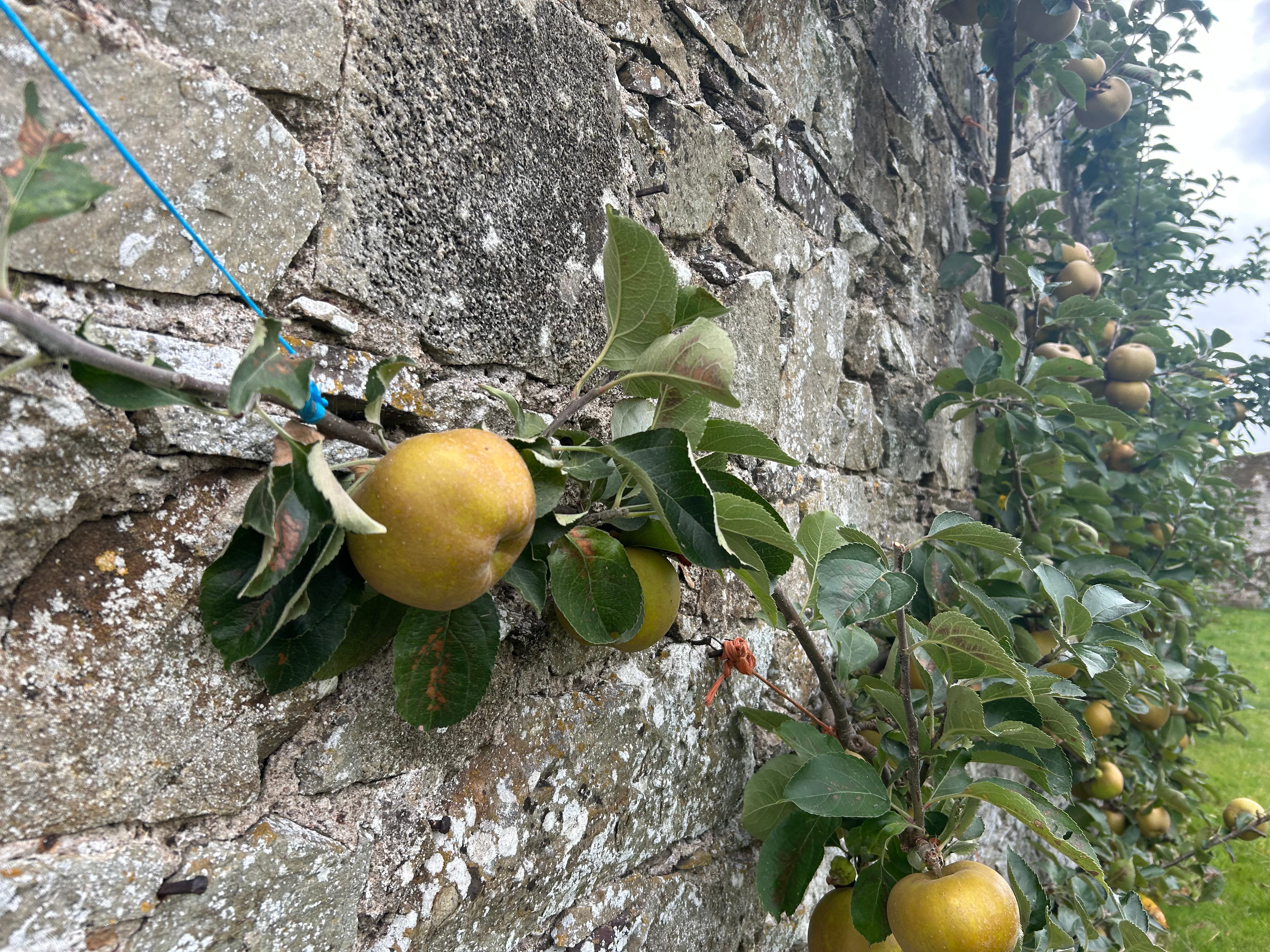
Some apples can be sprayed up to sixteen times before they arrive on the shelf, and even then, traces of around 32 active substances may remain. Most of us, myself included, give our fruit a quick rinse under the tap and assume we’ve solved the problem, like that is enough to banish the ghosts of glyphosate on the product. But how much do we actually know about what’s on our food?
If we sixteen sprays listed clearly, would we feel the same way about the apple?
A recent study by the Pesticide Action Network tested cereal products for trifluoroacetic acid (TFA), a man-made “forever chemical” that breaks down extremely slowly and accumulates in water and the food chain. European food regulators are currently working to classify TFA as “presumably toxic to human reproduction.”
In the study, the highest levels of this pesticide were found in breakfast cereals purchased in Ireland. The Europe-wide research also found that TFA is contaminating food across the continent, despite the chemical being described as having “clear evidence of developmental toxicity” based on studies of mammalian foetuses.
This news story made me question how accurate our food labelling really is, and whether we’re completely overlooking the persistent and potentially harmful components of pesticides and other forever chemicals.
As someone who strongly supports organic farming and particularly organic tillage, I’m aware that one of the main criticisms of the sector is market behaviour. Many of us love the idea of chemical-free food but don’t always make purchasing decisions that reflect that belief.
I’ve written before about the value of public procurement in growing the organic market, where schools, hospitals and similar institutions choose organic by default, providing growers with stable and predictable demand, as seen in Denmark.
I also believe that if consumers had a clearer understanding of the chemicals used in conventional agriculture, there would be a deeper appreciation for the effort and expertise required in organic farming.
While the goal isn’t perfection, we need to be developing an awareness that nudges us toward better choices, consistently enough that, over time, it makes a difference.
And maybe a small, practical step would help all of us along would be putting the sprays used on our food directly on the labels.
If we can list flavourings, stabilisers, and “natural aromas,” then surely we can list the chemicals that shaped our food long before it reached the shelf.
Ultimately, the story of forever chemicals serves as a reminder that the responsibility doesn’t end with consumers scrutinising labels, it rests with our legislators. While it was revealed TFA is widespread across Europe, this story should serve as a wake-up call for the European Union.
If a routine test of breakfast cereals can reveal widespread contamination by a known forever chemical, then the problem is already far bigger than any individual consumer or member state can manage alone.
The EU must move decisively to restrict, and ultimately ban, these substances, whose toxic legacy will long outlive their limited usefulness.
Without strong, continent-wide action, stories like this will only become more common, and future generations will be left to deal with the consequences.
100% agree. Compulsory labelling of chemicals used in production would be a great start and would help drive a greater demand for organics. Yukka is a good App when shopping .