Between Holds
On climbing, walking and rooting

I’ve been acutely aware of how preachy this Substack has become lately, all land and policy. Consider this a break. Me stepping down from the pulpit, if you will.
When I’m not ranting about land use I’m usually doing something vaguely PhD-related. The last few weeks have been spent buried in journal articles and archives, reading about ecology and how nature creeps into buildings, how heritage management can reckon with an accelerating climate crisis and shift towards something more adaptive rather than the traditional static let’s-keep-everything-exactly-as-it-is approach.
It’s a developing field and a deeply interesting one, the idea that nature and heritage might actually benefit each other rather than exist in a constant state of tension.
Alongside that I’m preparing for fieldwork. My work will involve photography, videography and writing on remote uninhabited islands. I’m training in 3D mapping and hoping to get a licence for drone work, which will be fairly hysterical if that happens before I finally get my full driver’s licence. I’ve been really enjoying this techy element, using technology to capture wilderness with a mind-blowing accuracy.
As I list this off I realise how privileged it all sounds. I keep coming back to it. I genuinely cannot believe I get to read about soft capping or reflective essays on the lifespan of oak trees. I always imagined my career would sit adjacent to nature but I never quite expected it to be this close.
I found school difficult, not academically so much as structurally. The amount of time spent indoors felt incomprehensible. Sitting in a chair from nine to three every day felt like a form of torture. Even the time we spent outside, usually playing camogie or doing PE, turned the field beside the school into something militant.
There was no space to wander, no breathing room, and very little sense of the scale or possibility of nature. There was a belief that time outside needed to be earned through sport, but very little about the land itself. Like the pebble-dash on the outside of the school, it felt harsh and uncompromising.
I’ve never been able to concentrate for long stretches. I study in bursts, I write in bursts and I need a few hours outdoors every day to think straight.
I say all of this and I’m not even sure what I did outside as a child beyond walking the dogs. I wasn’t gardening, I wasn’t really farming. Even though I raised a pet lamb or occasionally stood to block a gap when moving sheep, I was mostly just wandering.
I think there’s a constant conversation happening between us and the land. It’s restorative and essential, that feeling of being rooted in an ecosystem. I’ve never come down from the fields without feeling better, even if the walk involved rain, mud, sleet or snow. I like that I walk past a blackbird building a nest or pusheens playing, we are all part of the same habitat.
Often the knots in my mind unravel outside without me even noticing. Maybe it’s my body finding equilibrium or maybe the answers are falling from the trees.
If I’m sick or stuck indoors I feel it immediately, the tight shoulders, the short fuse. My friend Caleb takes joy in describing how horrendously I suited working full-time in an office, saying I radiated a potent mix of boredom and pain. The cure is usually a long hike or run and a few hours of solitude.
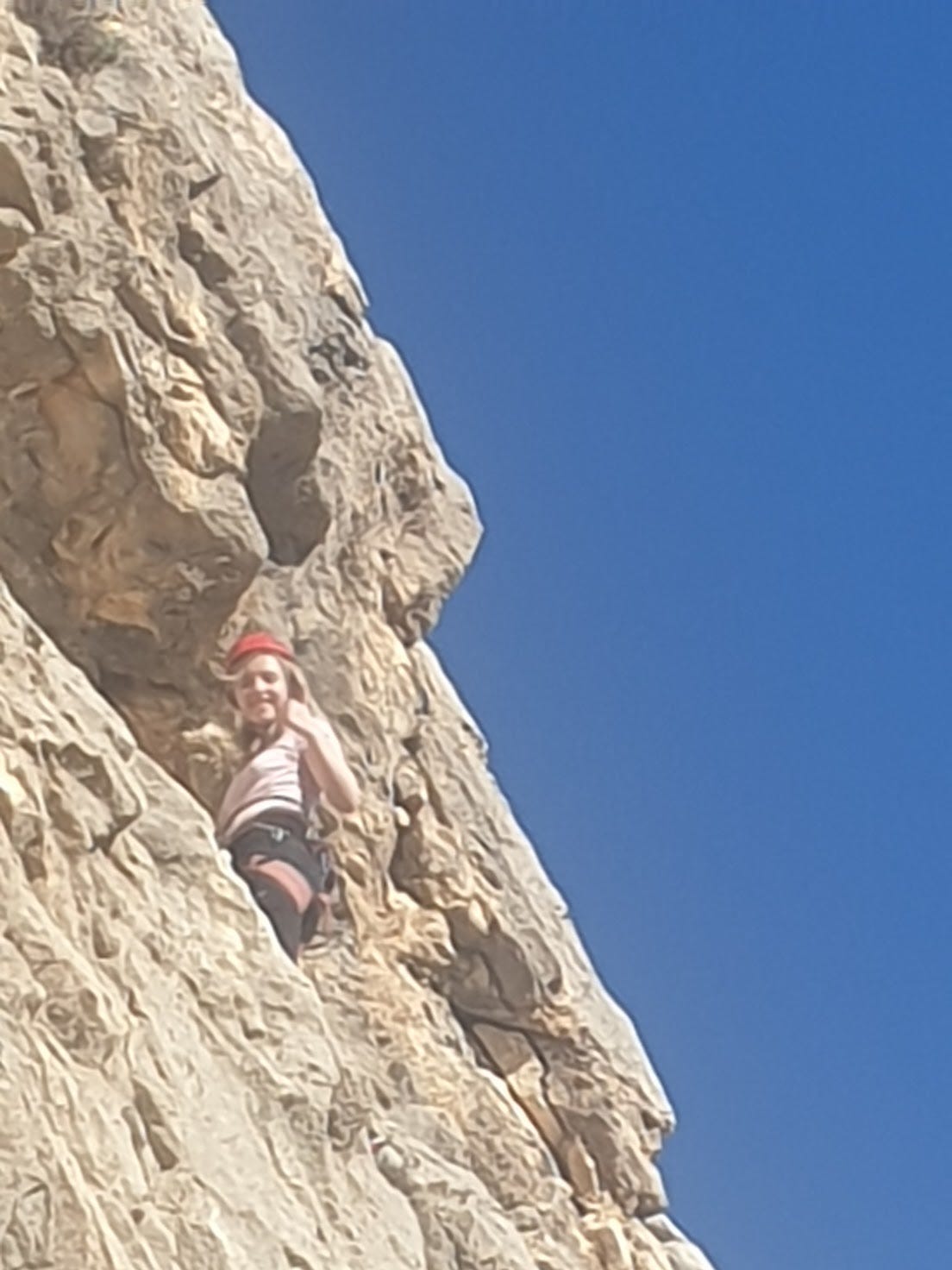
I discovered mountain and sports climbing during my undergraduate and took it far more seriously than my degree. I learned everything on the mountains; how to trust my body, how to manage stamina, and the importance of a Flahavan’s flapjack with a banana.
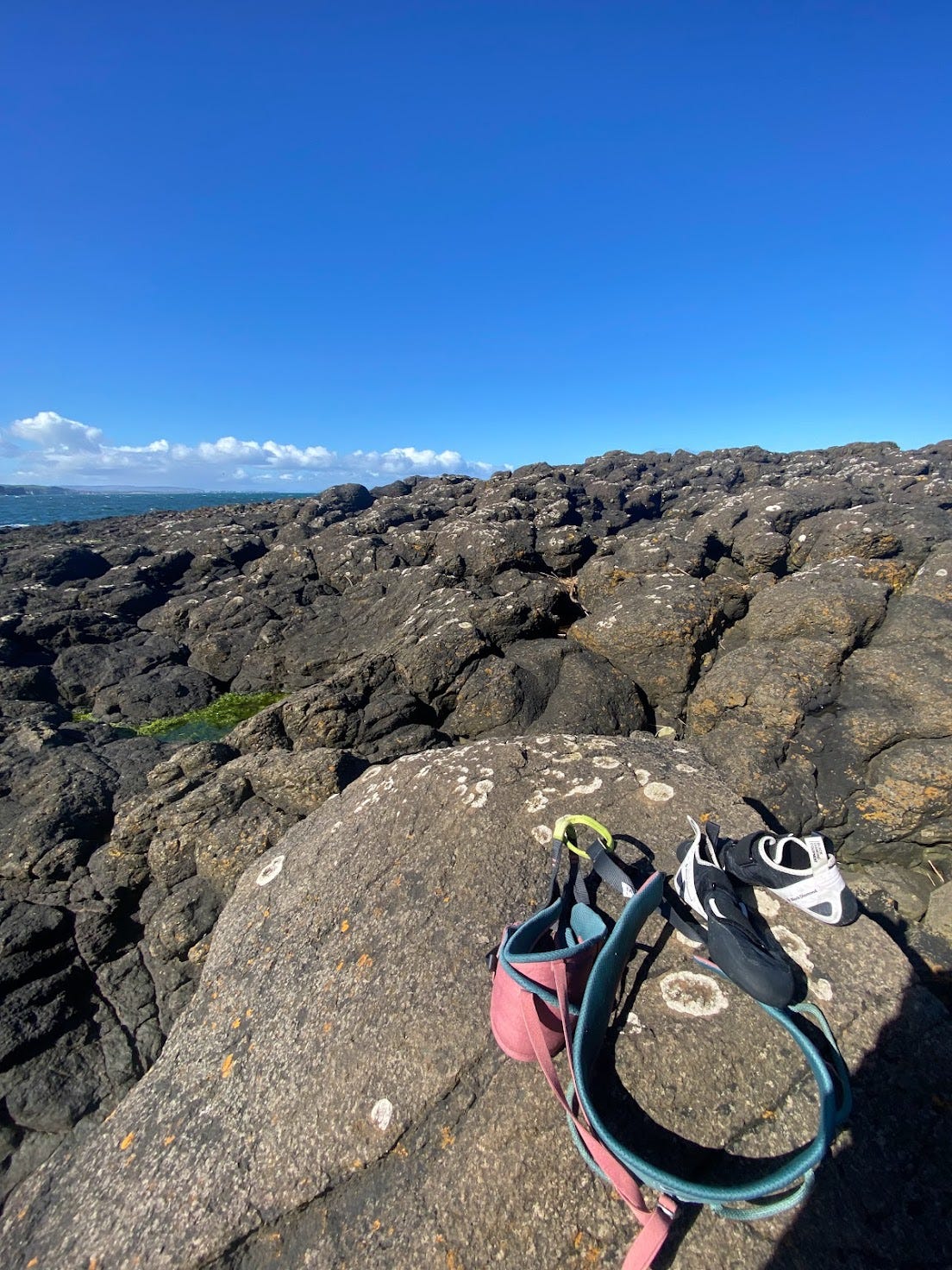
We packed ourselves into buses and cars and drove all over Ireland, cross-country trips to competitions or crags, evenings spent trying to perfect a send at the wall. I don’t regret giving it so much time and all the times I skipped lectures to do it. Even then I knew it mattered more to me than most things.
I tend to chase and prioritise what interests me. I often can’t really relay the logic behind decisions, but climbing and prioritising it made perfect sense to my body and mind. Amazingly, deadlines didn’t suffer as a result of this.
Someone far more intelligent than me once said the mountains were their cathedrals, that they found in nature what others find in church. I agree, to an extent, and I often think that like churches our mountains have been looted, stripped of trees and ecosystems.
There’s something about hiking that makes you feel at one with the world. One damp boot after another eventually delivers you to a view that takes your breath away.
At home we have a long-running joke. Whenever someone compliments the mountains, the snow caps or how close they look, someone inevitably asks have they always been there?
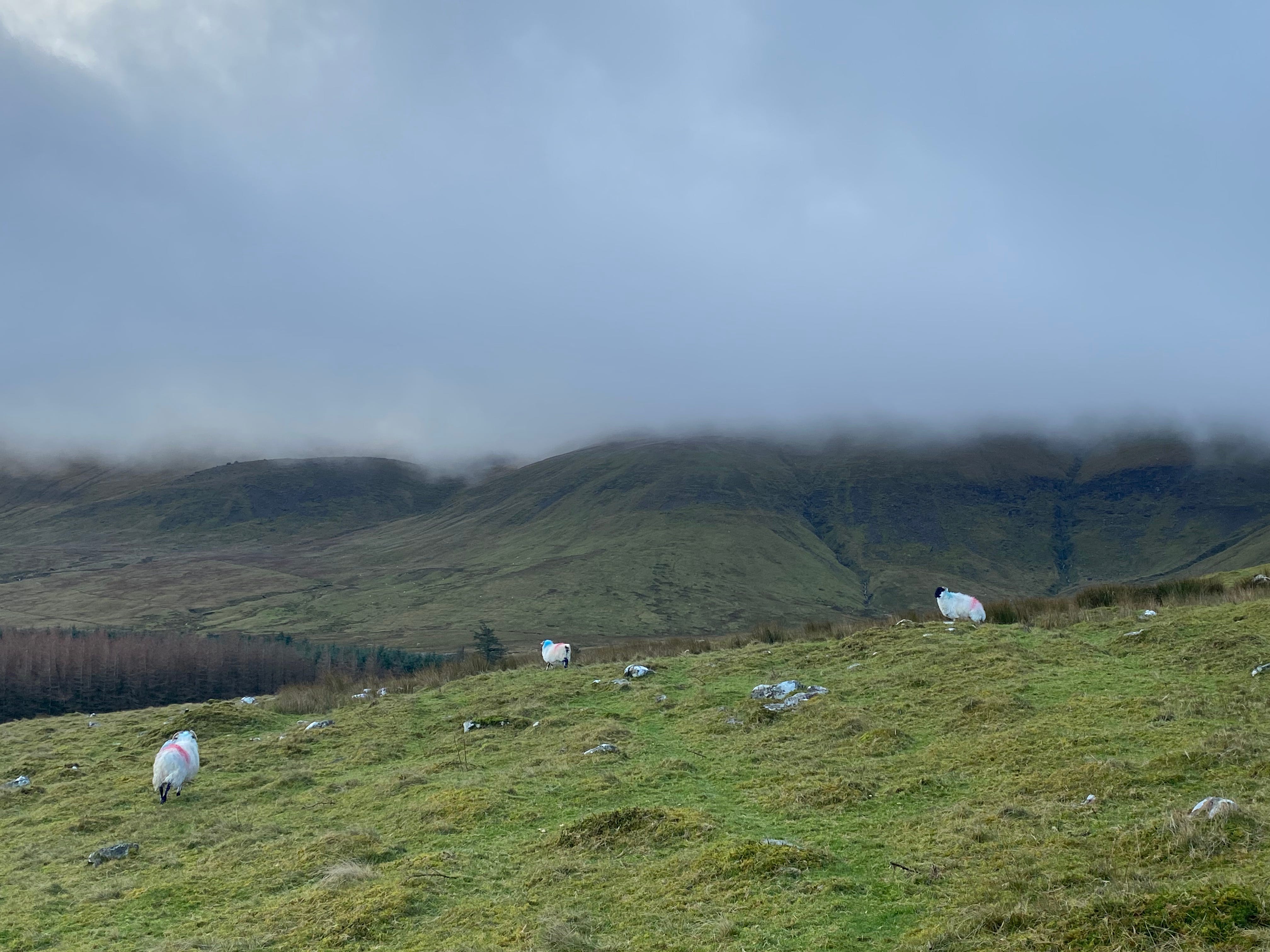
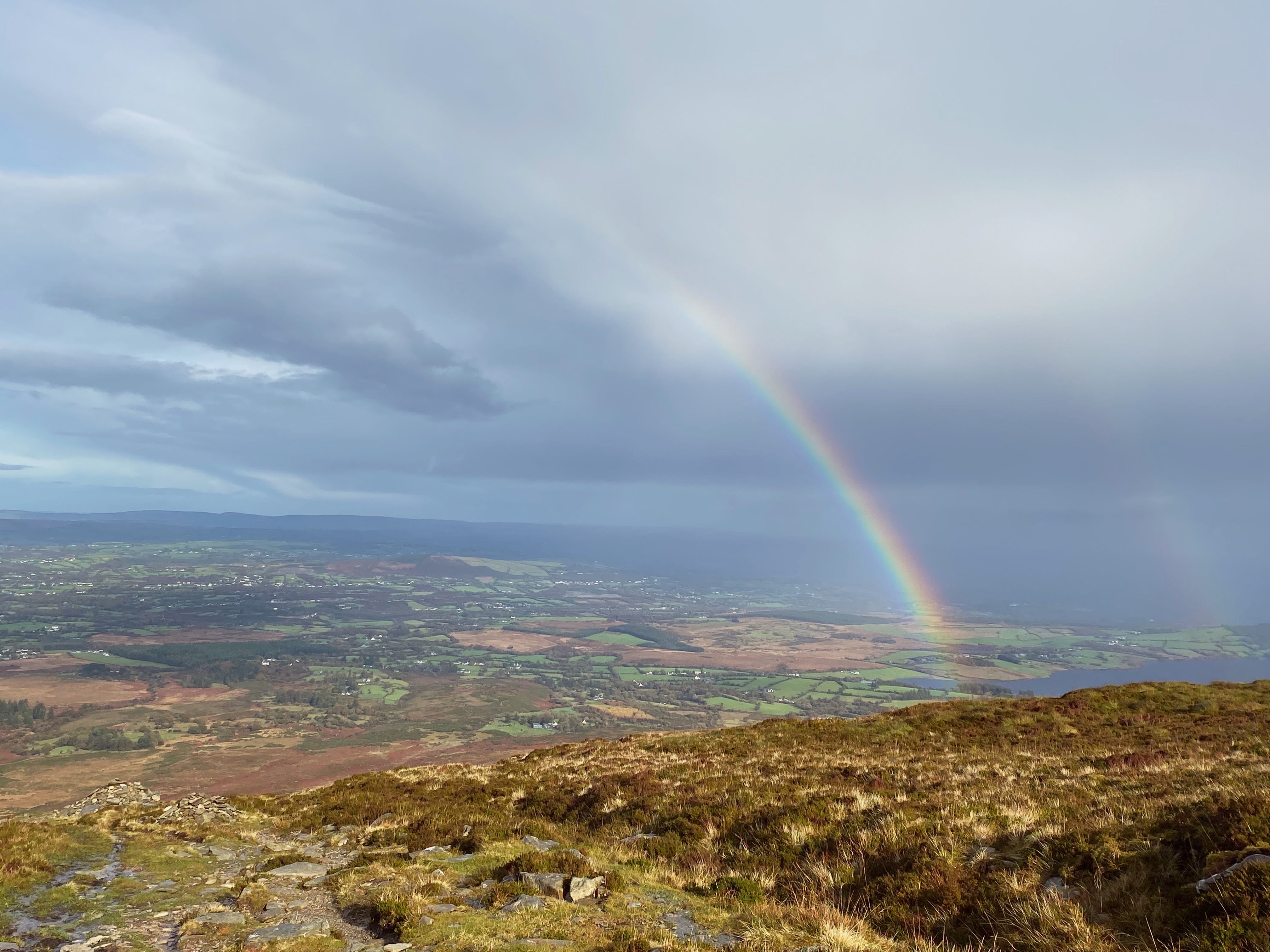
Long before I ever hiked the Galtees they were stitched into my world, standing guard every day I walked the fields. Despite loving hiking, Galtymore remains a mild gripe, largely because the grass makes it feel like walking up a vertical football pitch.
It is mad to think about how long these landscapes have endured, or how many of my ancestors also scaled Galtymore. The lifespan of a mountain or an island is genuinely mind-blowing, I’ve realised that when researching islands and how tiny the period of human inhabitance is in the grand scheme of things.
I was listening to a hero of mine, Simon Reeve on Desert Island Discs and he talked about a hike in Scotland that changed the trajectory his life, mostly because it proved to him that he could do it. That confidence went on to shape his career in journalism. So many people describe something similar, that moment of awe, of recognising our place within nature, whether as climbers or observers, as transformative.
I feel the same about sports climbing. There’s a strange joy in shredding your hands on sedimentary rock. I learned how much balance I can hold on one toe, how little weight a badly placed nut can take and most importantly the power of encouragement.
Hanging off the edge of a cliff, completely psyched out, the people around you can radically alter how you see your own mind and limits. So much of climbing is headspace and that has remained with me.
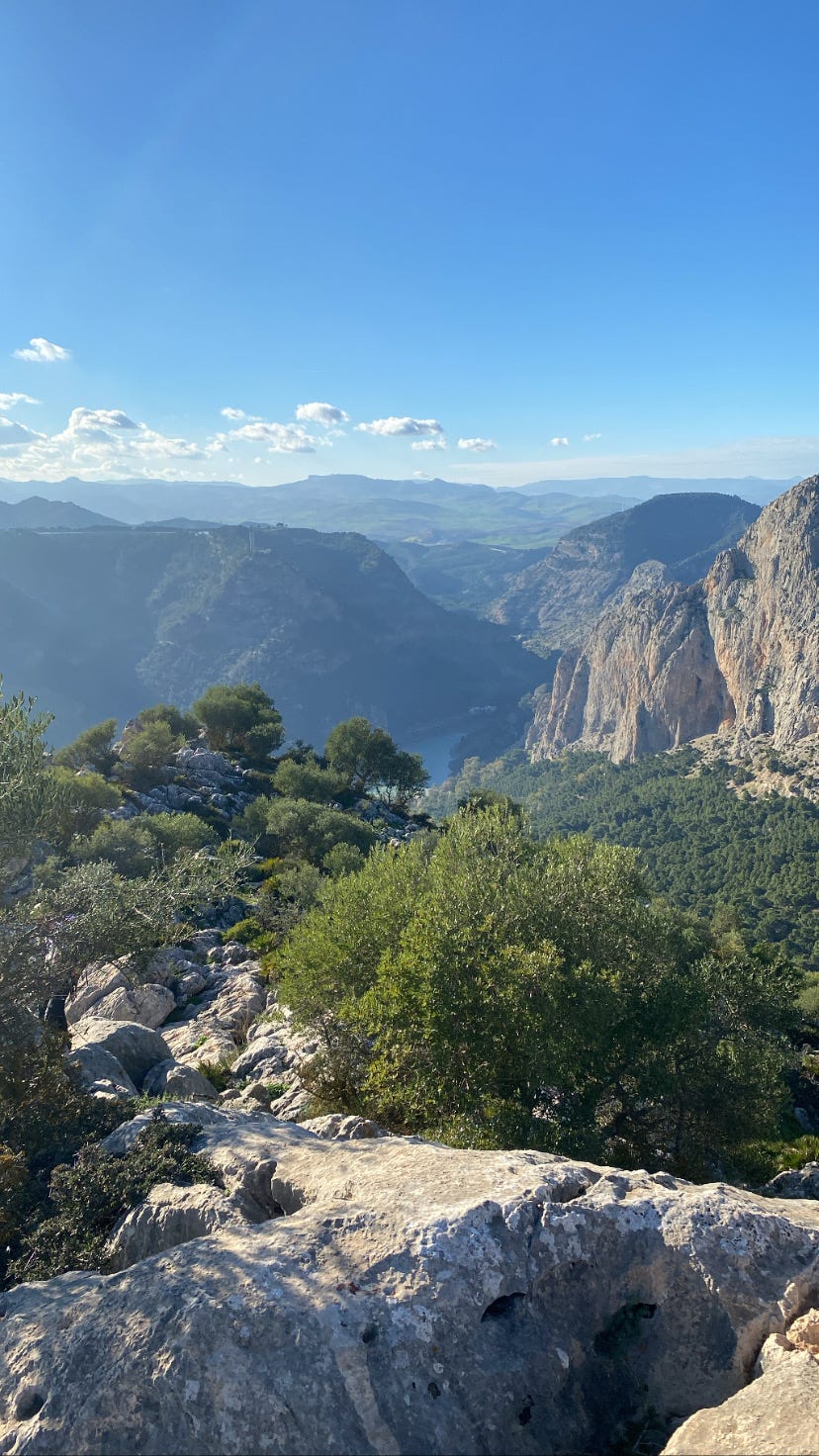
I walked a stretch of the Camino de Santiago in 2023. The fact that it was a religious pilgrimage, dotted with churches and well-wishers, gave it the kind of spirituality they promise in the branding, A lot shifted for me on that trip. I realised I wanted to dedicate my career to capturing nature and that ASICS trainers are the only shoes that don’t cause blisters in a group of fifteen pilgrims.
Now I’m preparing for something largely unknown. No amount of lighthouse keeper accounts, weather reports or old engineering tenders can really prepare you for it. It feels the same as sitting in the back of a car full of climbing gear or landing in a country knowing you’re about to walk 290 kilometres.
Places have auras for me. I’ve been changed by them. The first time I climbed Carrauntoohil felt like a turning point, seeing the iconic black cross after scaling tumbling scree for hours. I don’t think you’re ever quite the same afterwards.
The best preparation I can do is to document it carefully, to make sense of it later, to trace how nature takes hold, to capture the essence through storytelling. I know nature is transformative, because somewhere in the process of these adventures I think I’ve been rewilded too.
One of my most nonsensical habits is running my fingers along verges, cow parsley, brambles, occasionally the unfortunate blast of hogweed. It makes no real sense, but the sensory relief of uneven ground underfoot, surrendering to the elements, feels cosmic.
So maybe that’s why I write about land use the way I do. I think we owe nature care and attention as something we’re in constant conversation with.
Maybe all that wandering the fields, looking for nothing in particular, was working towards something after all.